An update on Spring B&B digging season: With flowering trees in mid-bloom, we are nearing the end of "prime-time" digging for them. Other deciduous trees are showing buds in varying stages. We are estimating we have 2 1/2 weeks remaining for most in our prime-time digging season! All customers are encouraged to have B&B orders in soon.
Photo: Pyrus calleryana 'Cleveland Select' (flower), taken 3-29-10.
Tuesday, March 30, 2010
Monday, March 15, 2010
White Weeping Cherry for Small Spaces
Prunus x Snow Fountains (Snofozam) 12-15' (Zone 5)
Washington, DC is famous for its spring show of white cherries around the Tidal Basin. Thousands of people visit our nation's Capitol each spring to experience the Cherry Blossom Festival.
(click on any photos for larger view)
Many landscapes lack the space to feature a full-size cherry, thus Snow Fountains is a great option. This cherry is a smaller form of the white weeping cherry. Its graceful cascades of flowing white blooms resemble a fountain of flowers.
Here is an example of Snow Fountains in the natural form, showing multiple tiers of weeping branches.
The top-grafted form produces a consistent "flat top." Branches on both natural and top-grafted can be left to weep all the way to the ground or trimmed up to a specific height for a desired design effect.
Fall Color: foliage is a dark green and turns gold and orange hues in fall.
Tuesday, February 16, 2010
Amelanchier (Serviceberry) ... aka - Saskatoon Blueberry? Juneberry?
Amelanchier (Serviceberry) is a great landscape plant today for many reasons. While most attributes such as North American native, great fall color, supports wildlife, etc. are widely known, one attribute - great tasting fruit, is not widely promoted. Here are quotes from other sources to support our re-positioning Amelanchier as a great addition to the "edible garden."
Dr. Michael Dirr*: "Fruit: Berry-like pome, orange-shaped, 1/4 to 1/3" diameter, changing from green to red and finally to purplish black, bloomy, slightly sweetish, and birds love them; ripens in June, actually matures over a 3-4 week period and must be picked before birds clean the plant; ripe fruits are better than highbush blueberries; I have had serviceberry pie and it ranks in the first order of desserts." *ref. Manual of Woody Landscape Plants-6th edition, Stipes Publishing.
Gurney's Seed & Nursery (2009 Catalog): "Saskatoon Blueberry - Hardy in the Far North. Not a true blueberry, but it tastes like one and doesn't need acid soil to thrive. Produces a huge July crop. Grows 15-20 feet tall. Self-pollinating. Many of the fruits are native species that grow wild in various parts of the country. They are very adaptable and generally carefree. A few are delicious when eaten fresh; others make excellent desserts and wines."
Lady Bird Johnson Wildflower Center: (Amelanchier laevis) "Very easy to grow and provides year-round interest. Berries are edible and juicier than those of the similar A. arborea. The sweet, juicy fruits are edible and rich in iron and copper. (Kershaw) Native peoples dried the small pomes like raisins or mashed and dried them in cakes. Often the dried fruits were mixed with meat and fat to form pemmican, a light-weight, high-energy food that could support winter travellers for long periods if the diet was supplemented with vitamin C to prevent scurvy. (Kershaw)"
Missouri Botanical Garden: "Edible berries are sweet, resembling blueberries in size and color, and are often used in jams, jellies and pies. Amelanchiers are also often commonly called Juneberries. Amelanchier x grandiflora is a cross between A. arborea and A. laevis."
Colorado State Univ: "Several species of serviceberry or amelanchiers are grown for fruit production. Some serviceberries are used only as landscape plants. The Saskatoon serviceberry is considered superior for fruit production. Serviceberries were used by Native Americans to make pemmican, a mainstay of their diets."
Serviceberry - a Superfruit?: When searching the internet, many sites are quoting Saskatoons (Serviceberry) as being higher in Antioxidants than Blueberries as well as providing many positive digestive benefits. Many describe them as "superfruits." Suggested search terms: "saskatoon + antioxidants." Check it out for yourself!
Thursday, February 11, 2010
New Network Sharing at Ingleside...
Welcome to the IPN Leaf Line...
It's our new network sharing system to bring you news, how-to's and product information in a quick-read format. Today, we know you have to be a strong time-manager and we feel this system can help! We plan to produce these 2-4 times a month so not to overload your in-box. It may highlight the best or new plant varieties, compare similar plants, labor-saving tips, or even updates on news within the Ingleside network.
Please pass this along to anyone you think might be interested. Of course, you can unsubscribe at any time. We're committed to helping you build your sales and profits!
Have a great Spring!
Your IPN Sales Team
photo: Cornus x 'Venus'
It's our new network sharing system to bring you news, how-to's and product information in a quick-read format. Today, we know you have to be a strong time-manager and we feel this system can help! We plan to produce these 2-4 times a month so not to overload your in-box. It may highlight the best or new plant varieties, compare similar plants, labor-saving tips, or even updates on news within the Ingleside network.
Please pass this along to anyone you think might be interested. Of course, you can unsubscribe at any time. We're committed to helping you build your sales and profits!
Have a great Spring!
Your IPN Sales Team
photo: Cornus x 'Venus'
Tuesday, February 9, 2010
SUGAR MAPLES ... in review
Astis (Steeple) Sugar Maple
Acer saccharum ‘Astis’
45' (Zone 5)
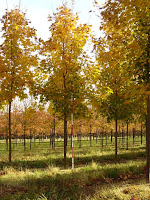
Lustrous, dark green foliage even in late summer. High resistance to heat stress and leaf tatter. Attractive gray bark with yellow-orange fall color. Narrow oval shape.

Lustrous, dark green foliage even in late summer. High resistance to heat stress and leaf tatter. Attractive gray bark with yellow-orange fall color. Narrow oval shape.
Bonfire Sugar Maple
Endowment Sugar Maple
Flax Mill Majesty Sugar Maple
foliage is dark green which turns to an orange-red in the fall.
Green Mountain Sugar Maple
Legacy Sugar Maple
Sugar Maple
Acer saccharum ‘Bonfire’
(Plant Patent #3817) – 50-75' (Zone 4)
This cultivar has fine, polished green leaves which turn a brilliant carmine red in the fall. Tolerates heat.Endowment Sugar Maple
Acer saccharum ‘Endowment’
(Plant Patent #4654) – 50-75' (Zone 3)
This sugar maple is columnar in form and has a strong yellow fall color. Excellent for street tree planting or where space is limited for spreading trees.Flax Mill Majesty Sugar Maple
Acer saccharum ‘Flax Mill Majesty’
(Plant Patent #5273) – 50-75' (Zone 3)
A hardy, vigorous grower which has a thick branching habit. Summerfoliage is dark green which turns to an orange-red in the fall.
Green Mountain Sugar MapleAcer saccharum ‘Flax Mill Majesty’
(Plant Patent #2339) – 50-75' (Zone 3)
This tree is a very uniform grower that has an upright oval crown and dark green foliage turning orange and scarlet shades in the fall. Its leaves retain their full color even in the dry windy weather of summer.
Legacy Sugar Maple
Acer saccharum ‘Legacy’
(Plant Patent #4979) – 50-75' (Zone 3)
This sugar maple cultivar has shiny thick leaves which are resistant to leaf tatter.This tree develops an oval shape and is reported to be more vigorous than the species. Fall color is primarily red with some orange and yellow. Sugar Maple
Acer saccharum
75' (Zone 3)
Dense foliage and branching make this an ideal shade tree for a large yard, park, or campus. Fall colors vary; may be yellow near the shaded center of the tree, and orange with a red cast on the exposed leaves.
Subscribe to:
Posts (Atom)